
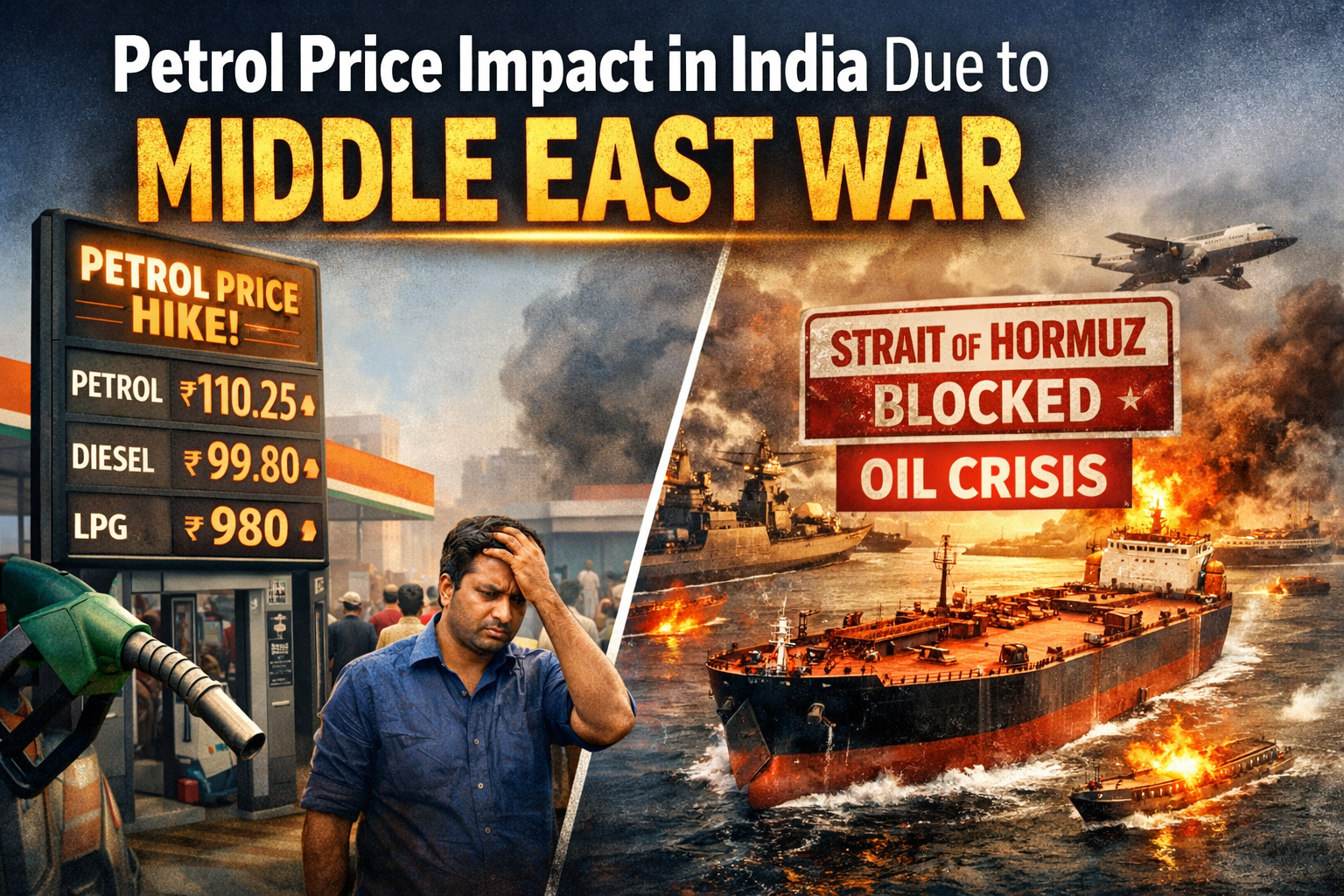
The ongoing tensions between Iran and Israel have once again raised global concerns—not just about security, but about economic stability. One of the biggest concerns for Indians today is the petrol price impact in India due to Middle East war, as fuel prices are closely tied to global crude oil markets.
In this article, we will break down how the petrol price impact in India due to Middle East war unfolds, why it matters, and what could happen next.
Why Middle East Conflicts Affect Petrol Prices
The Middle East is the heart of global oil production. Countries like Iran play a crucial role in supplying crude oil to international markets. When conflicts escalate—like the current Iran-Israel situation—it disrupts supply chains and creates uncertainty.
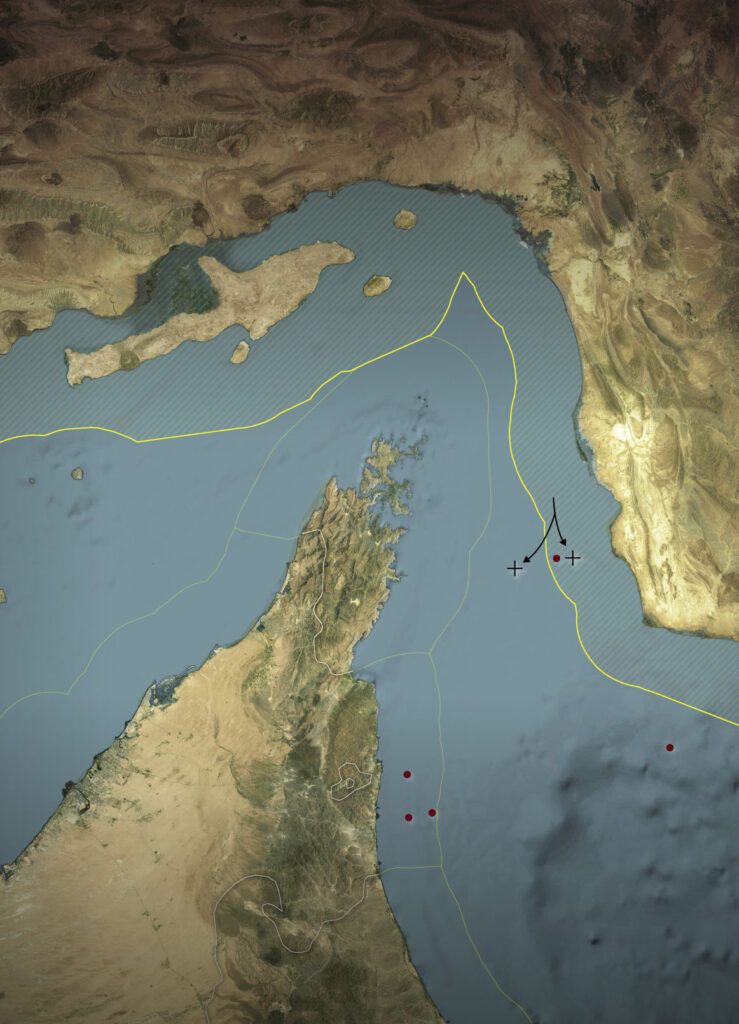
A key chokepoint is the Strait of Hormuz, through which a significant portion of the world’s oil passes. If tensions threaten this route, oil prices spike almost instantly.
This is where the petrol price impact in India due to Middle East war begins.
How Petrol Price Impact in India Due to Middle East War Happens
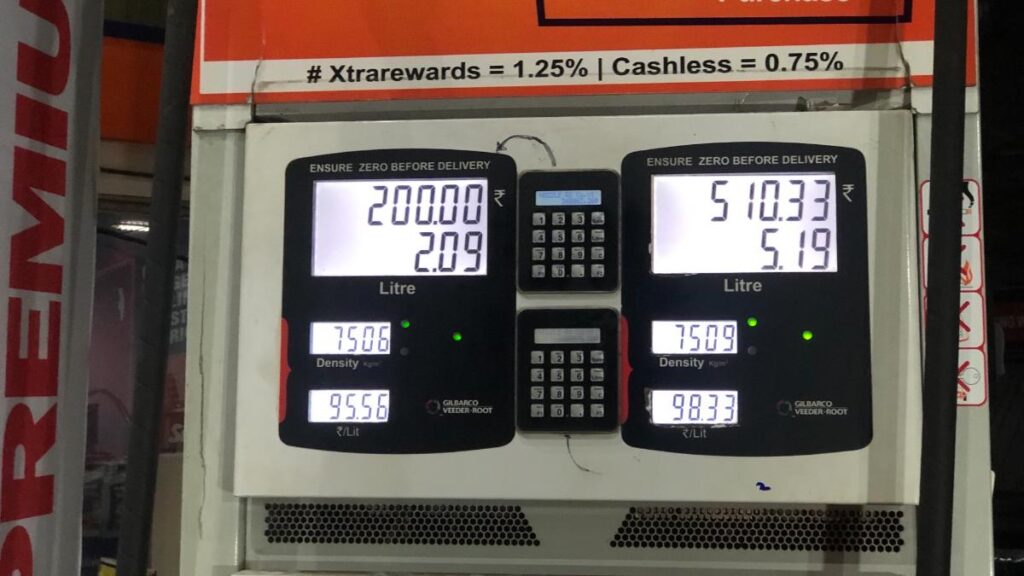
India imports over 80% of its crude oil needs. So, any global price increase directly affects domestic fuel prices.
Here’s the chain reaction:
- War tension increases → oil supply risk
- Global crude oil prices rise
- Indian oil companies pay more for imports
- Petrol and diesel prices increase
This direct link explains why the petrol price impact in India due to Middle East war is unavoidable.
Impact on Indian Consumers
The petrol price impact in India due to Middle East war goes beyond just paying more at fuel stations.
1. Higher Transportation Costs
When petrol prices rise, transportation becomes expensive. This affects everything from cab fares to logistics.
2. Rising Inflation
Fuel is a base cost in almost every product. So, the petrol price impact in India due to Middle East war leads to higher prices for food, groceries, and daily essentials.
3. Pressure on Household Budgets
Middle-class families feel the most pressure as monthly expenses increase without a matching rise in income.
Government’s Role in Controlling Petrol Prices
The Indian government sometimes reduces excise duties or uses strategic reserves to manage price spikes. However, during prolonged conflicts, even governments have limited control.
This means the petrol price impact in India due to Middle East war can last longer if the conflict continues.
Future Outlook: What Can Happen Next?
If tensions between Iran and Israel escalate further:
- Oil prices could surge sharply
- Petrol prices in India may cross previous highs
- Inflation could rise significantly
On the other hand, if diplomacy reduces tensions, the petrol price impact in India due to Middle East war may stabilize.
Conclusion
The petrol price impact in India due to Middle East war is a serious economic concern that affects every Indian—directly or indirectly. From fuel costs to daily expenses, the ripple effect is widespread.
As long as geopolitical tensions remain high in the Middle East, India will continue to feel the pressure through rising petrol prices. Staying informed and prepared is the only way to navigate this uncertainty.
Check out another article on Why It’s Lasting So Long & Why the Strait of Hormuz Matters