
India Slipped to 6th Largest Economy: Temporary Setback or Bigger Concern?
Last Updated on May 29, 2026 2:40 pm by India2040 Admin
India’s position in the global economic landscape has recently sparked debate after reports suggested a shift in the India economy ranking, placing it as the 6th largest economy in the world. While India continues to be one of the fastest-growing major economies, this change raises an important question: is this a temporary adjustment, or does it signal a deeper concern?
What Happened to India’s Economy Ranking?
India has been consistently competing for a spot among the world’s top five economies. However, fluctuations in currency value, global economic conditions, and growth comparisons have affected the India economy ranking.
According to global economic data from organizations like the International Monetary Fund (IMF), rankings are often calculated in US dollar terms, which means exchange rate movements play a major role.
Source:
https://www.imf.org/en/Publications/WEO
Why Did India Slip in Rankings?
1. Currency Fluctuations
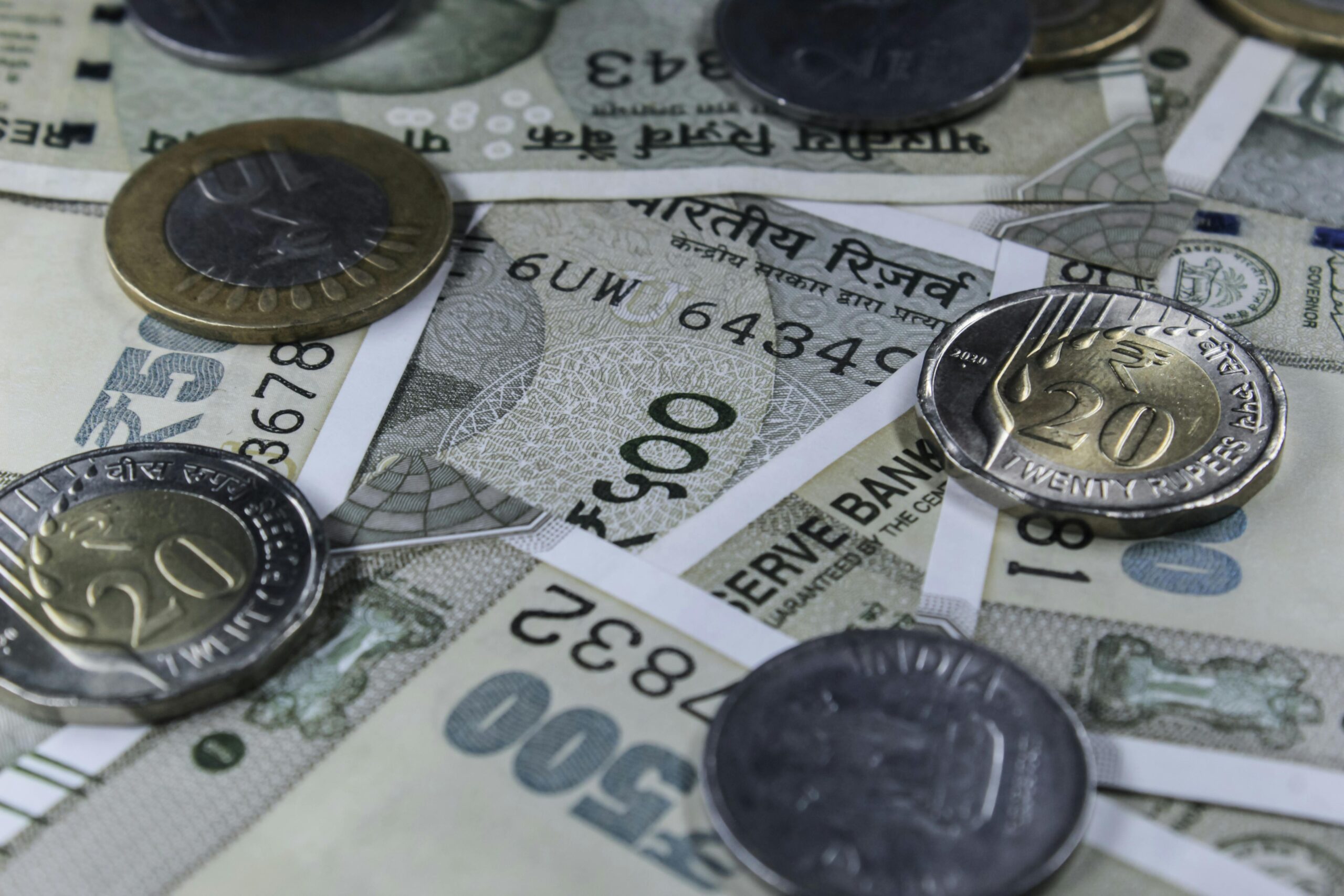
One of the biggest reasons behind the change in the India economy ranking is the depreciation of the Indian rupee against the US dollar. Since global rankings are calculated in dollar terms, even a strong domestic performance can appear weaker internationally.
2. Global Economic Shifts
Other economies, especially in Europe, have shown stronger short-term growth or benefited from currency advantages. This impacts comparative rankings without necessarily reflecting long-term strength.
3. Method of Measurement
GDP rankings depend on:
- Nominal GDP (in USD)
- Purchasing Power Parity (PPP)
In PPP terms, India remains among the top economies globally.
👉 Reference:
https://data.worldbank.org/indicator/NY.GDP.MKTP.CD
Is This a Temporary Setback?
In many ways, yes.
India’s fundamentals remain strong:
- One of the fastest-growing major economies
- Large domestic consumption market
- Strong digital and infrastructure growth
The recent shift in India economy ranking is more reflective of short-term external factors rather than structural weakness.
Should India Be Concerned?
1. Dependence on External Metrics
The reliance on dollar-based GDP rankings exposes how external factors influence the India economy ranking.
2. Need for Sustainable Growth
India must focus on:
- Manufacturing expansion
- Export growth
- Infrastructure development
3. Currency Stability
A stable rupee can help maintain a stronger global economic position.
Long-Term Outlook for India
Despite the current shift, India is still projected to become one of the top 3 economies in the coming decades.
According to projections:
https://www.pwc.com/gx/en/research-insights/economy/the-world-in-2050.html
India’s growth story is driven by:
- Demographics
- Urbanization
- Technology adoption
What This Means for India’s Future
The change in India economy ranking should not be seen as a setback, but rather as a reminder of how global dynamics influence economic positioning.
India’s focus should remain on:
- Strengthening domestic industries
- Reducing external vulnerabilities
- Building long-term economic resilience
India slipping to the 6th position in global rankings is not necessarily a cause for alarm. The shift in the India economy ranking is largely driven by temporary factors such as currency movements and global comparisons.
What truly matters is India’s long-term trajectory—and on that front, the country continues to remain one of the most promising economies in the world
Also check out recent article on Petrol Price Impact on India because of Middle East Conflict

I am an independent analyst and contributor at India2040, covering the intersection of Indian politics, economy, and public policy. I focus on electoral affairs, government policy, and India’s long-term growth story, with the aim of making complex national developments accessible to a wider audience. I am based in Gujarat and have been closely following Indian political and economic developments for several years. For queries or story tips, you can reach me at rohit@india2040.com
About The Author